
Pecorino
Intermediate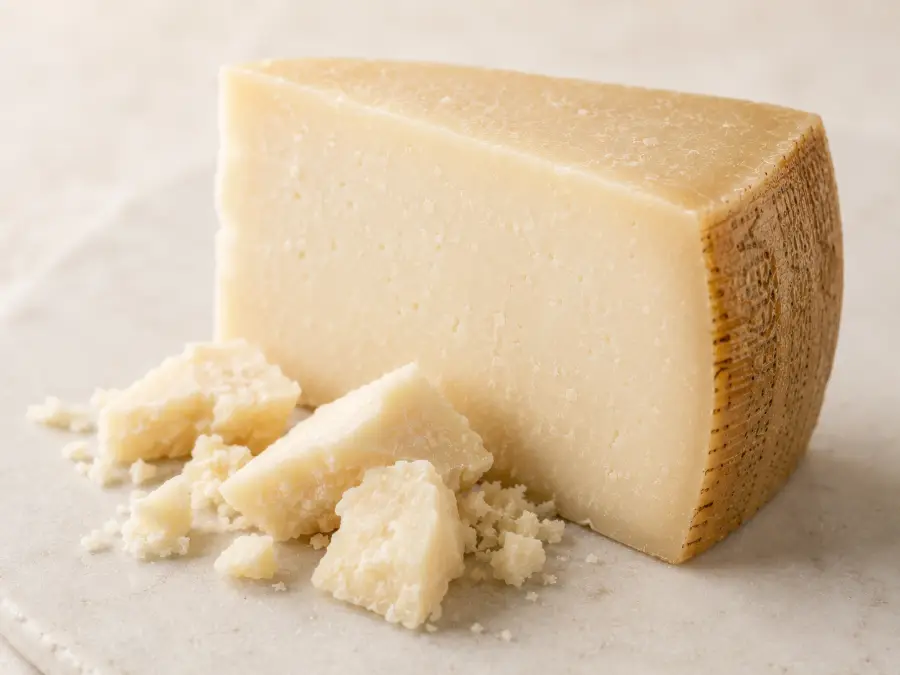
The blanket term for Italy's sheep's-milk cheeses — each region has its own.
TasteSalty and sharp with the richness sheep's milk gives. Romano carries 3–7% salt, so salt arrives first and the finish bites; Toscano is grassy, far gentler and softer. Sardo rarely goes past 2%.
Intensity
TextureLong-aged wheels are hard and crumbly; young ones give under a finger. Salty, tight-grained Romano grates to a fine dust.
Similar cheeses
How it differsSwapping this in for Parmigiano changes the dish — Pecorino Romano is far sharper and saltier. Cacio e pepe and amatriciana are built around that salt, so the substitution reads flat. The name is a category, too: Toscano tastes grassy and mild, and Sardo is gentler than Romano by a wide margin. Grana Padano covers the same grating job but comes from cow's milk, so it is far milder and cheaper — easier for everyday use. Keep the pecorino for dishes that need the salt and the sheep.
Pairing
🍷 WineFull-bodied red
🍽️ FoodPasta (cacio e pepe), pear, honey, fava beans
How to enjoy
Grate the salty Romano over pasta — but go easy on salting the pasta water and season at the very end, because the cheese has done most of it. Shave the milder Toscano thin and serve it with honey and pear.
What to look for
The word after the name is the whole story. Romano is salty and hard, meant for grating; Toscano is mild enough to eat as it is; Sardo splits again into dolce, aged 20 to 60 days, and maturo at two months and up. An Italian recipe that just says pecorino almost always means Romano. If salt is a concern, start with Toscano.
Storage
Wrap in parchment and keep it in a lidded box in the crisper drawer. Salty cheese keeps relatively well, but change the wrapping once it goes damp.
⏳ Aging20 days – 12+ months (Romano for grating is 8+)
Good to know
Named from 'pecora' (sheep), so it is a family rather than one cheese. Four hold DOP status — Romano, Toscano, Sardo and Siciliano. The one usually found abroad is Romano, the salty one that goes into cacio e pepe, amatriciana and carbonara; that salt began as a preservative for long sea voyages and stayed in the spec. And despite the name, most Pecorino Romano is made in Sardinia.