
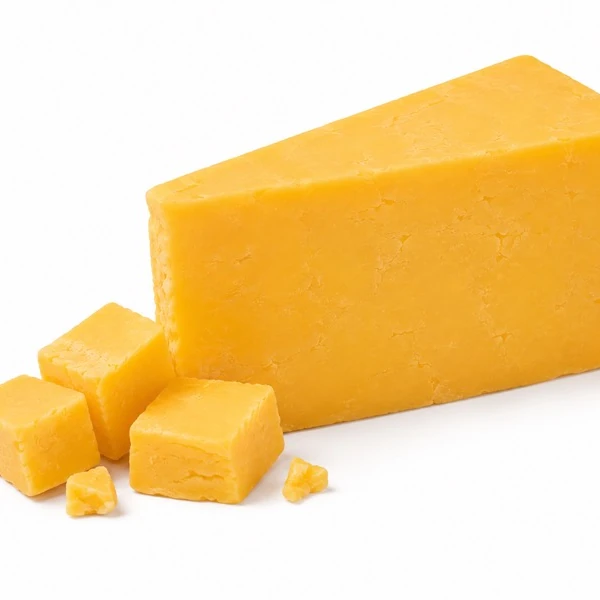
Origin
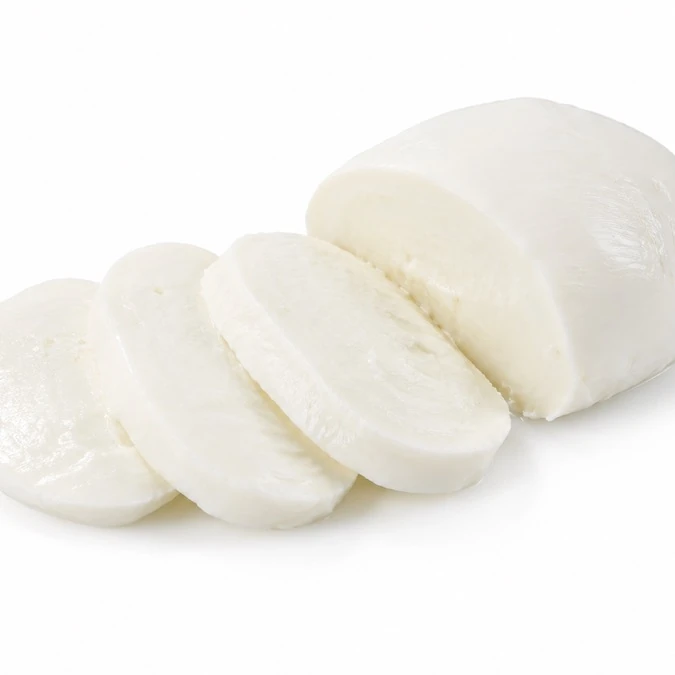
Mozzarella
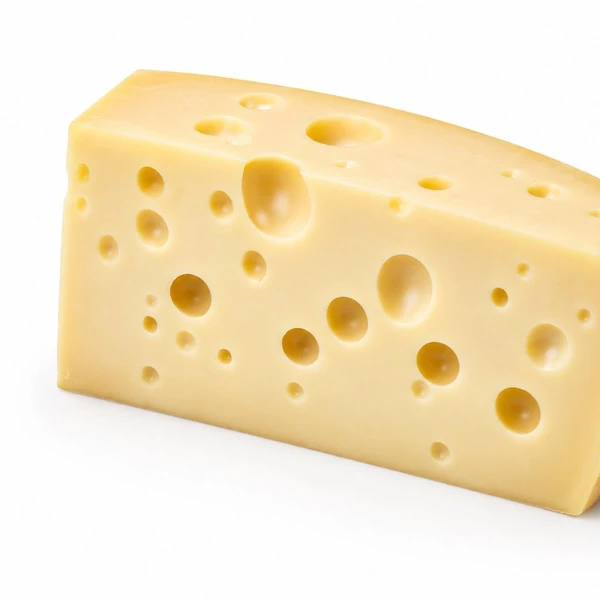
Emmental
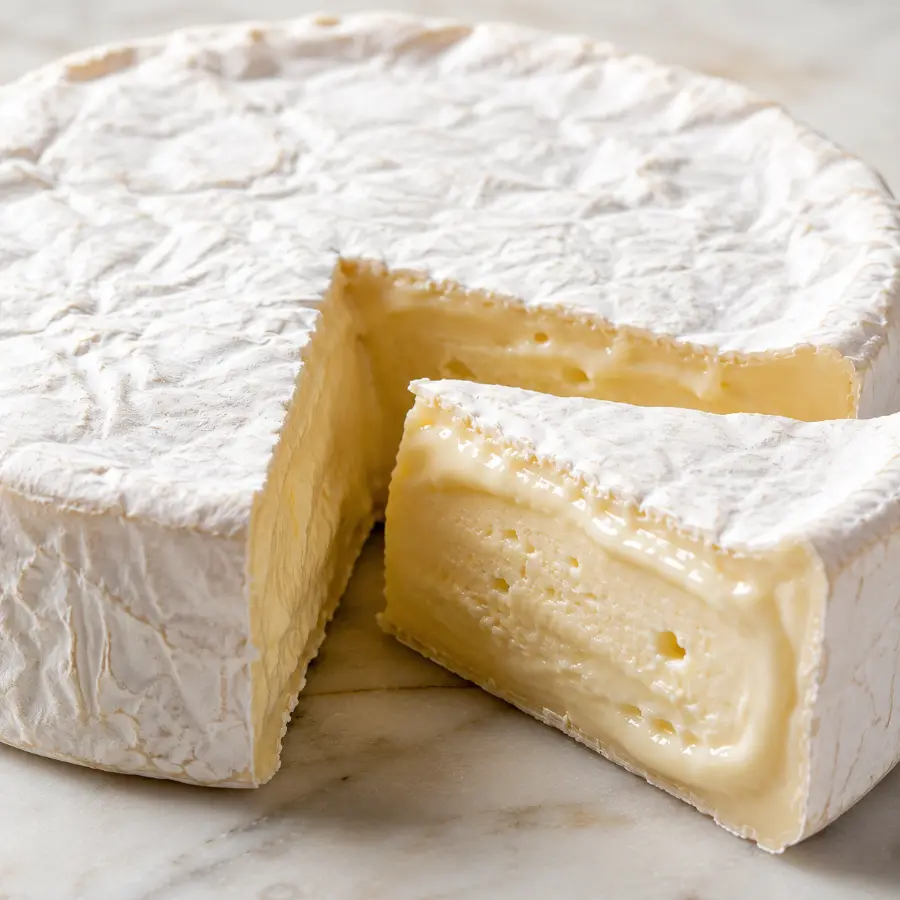
Brie
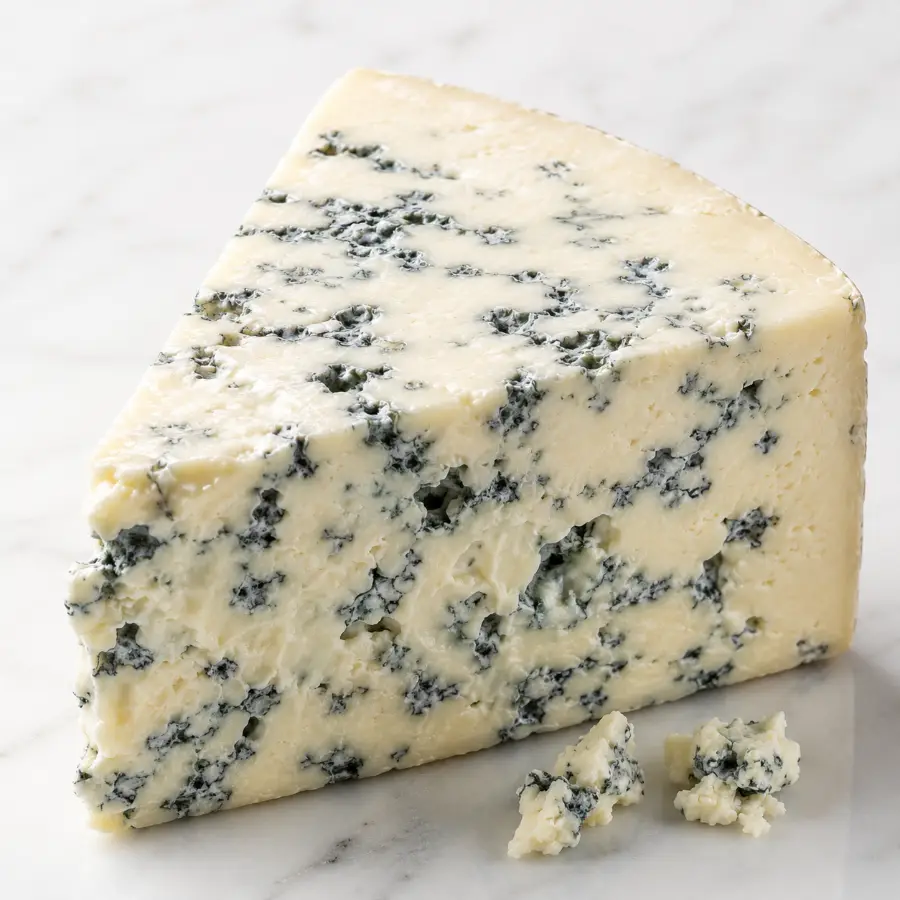
Gorgonzola
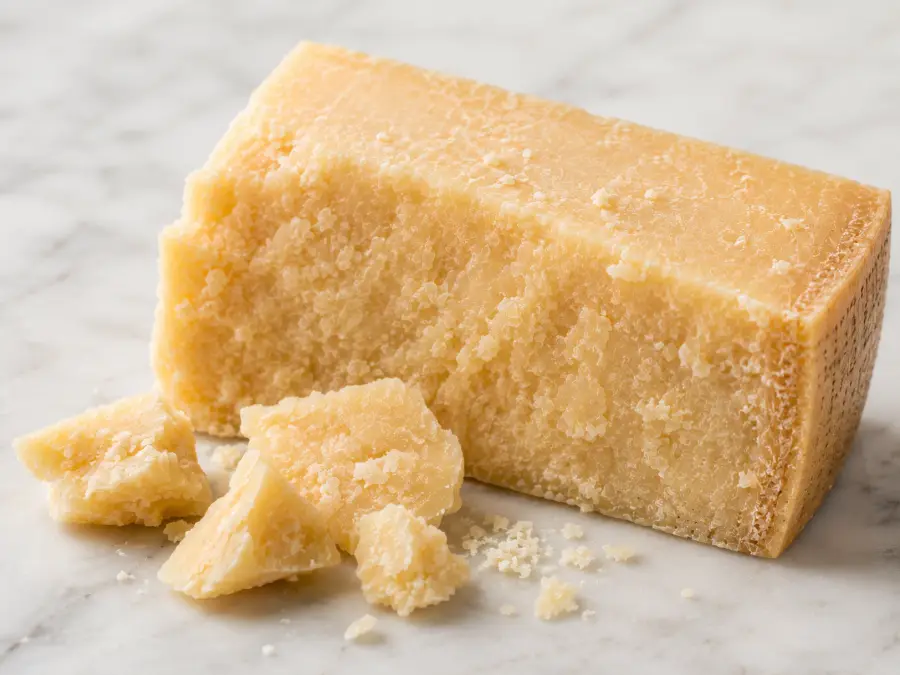
Parmigiano
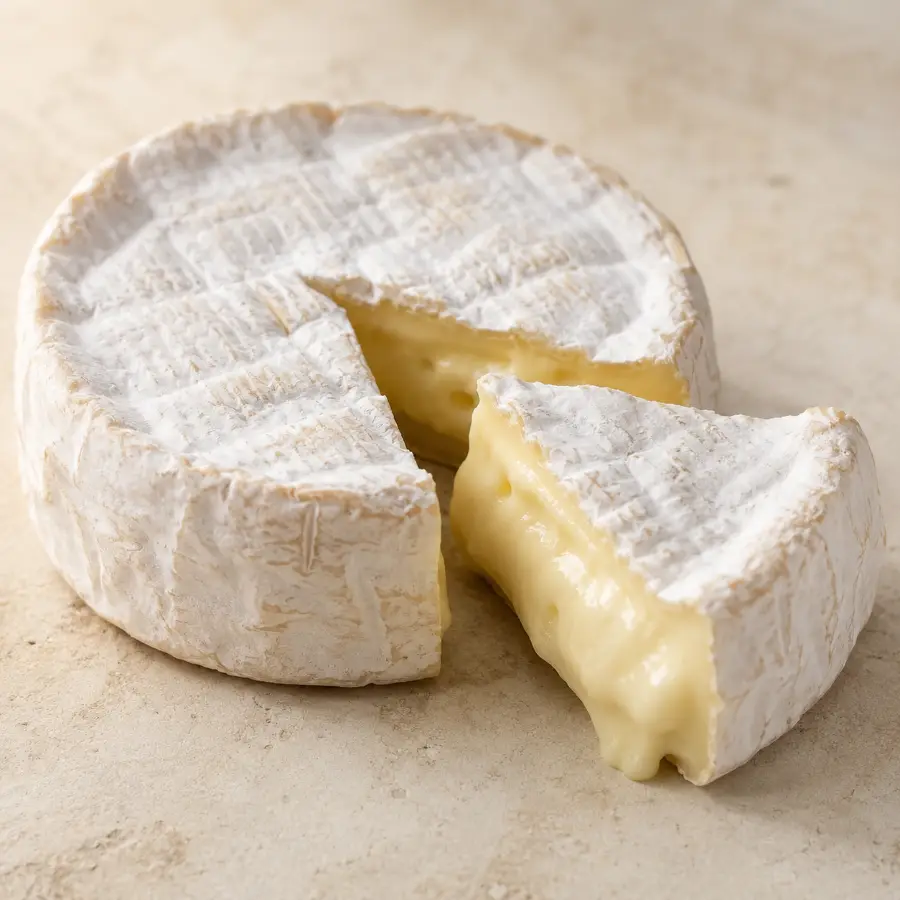
Camembert
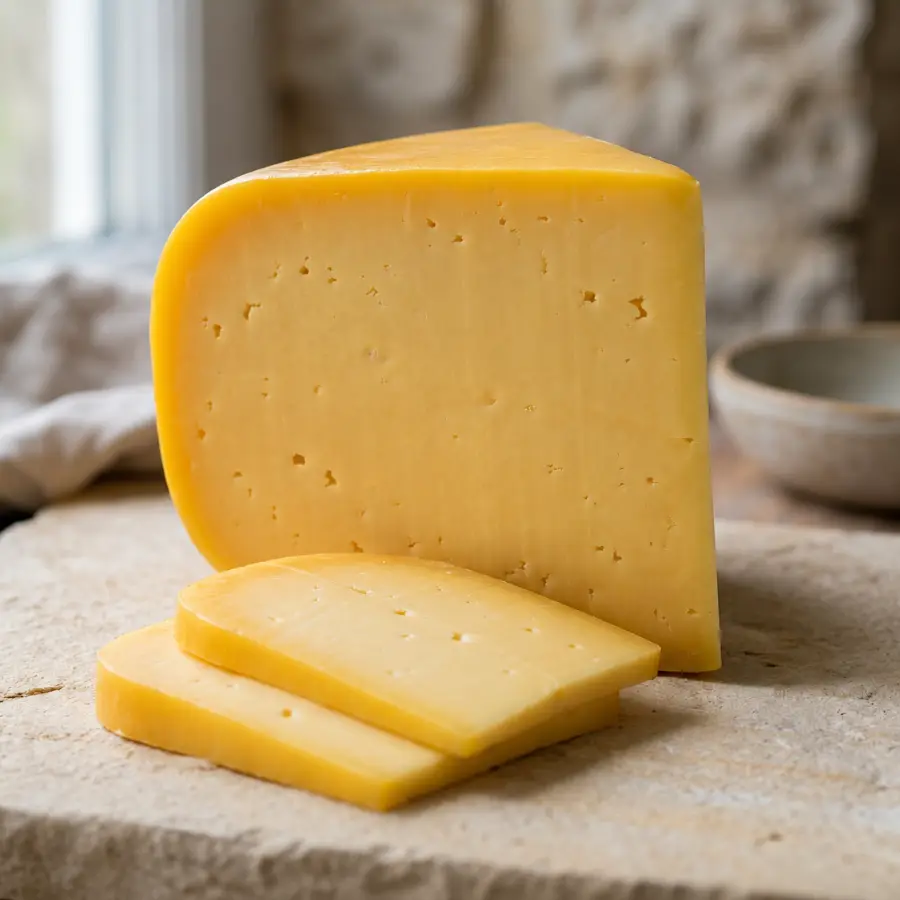
Gouda
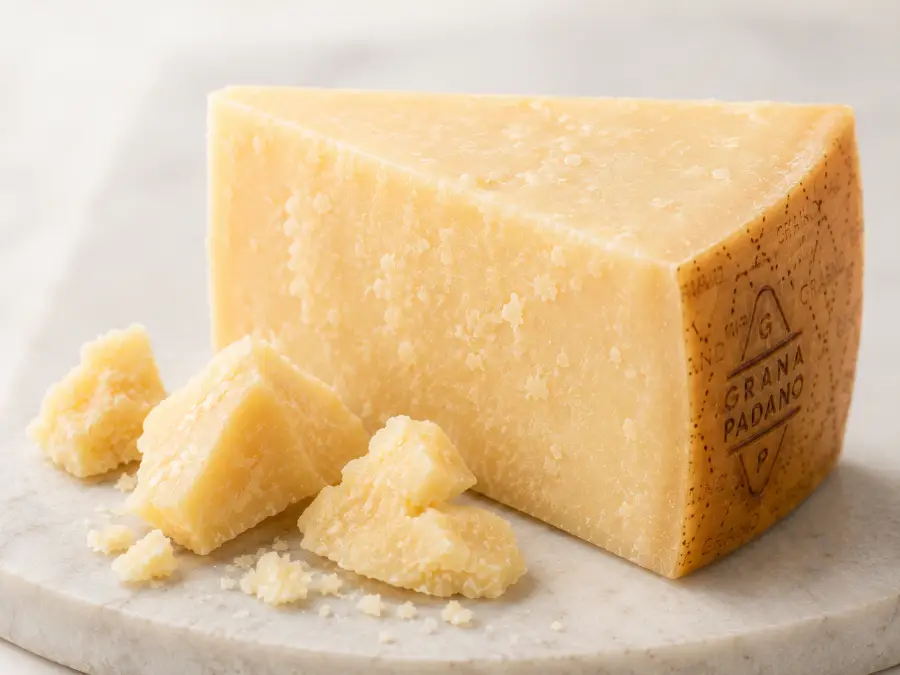
Grana Padano
Edam
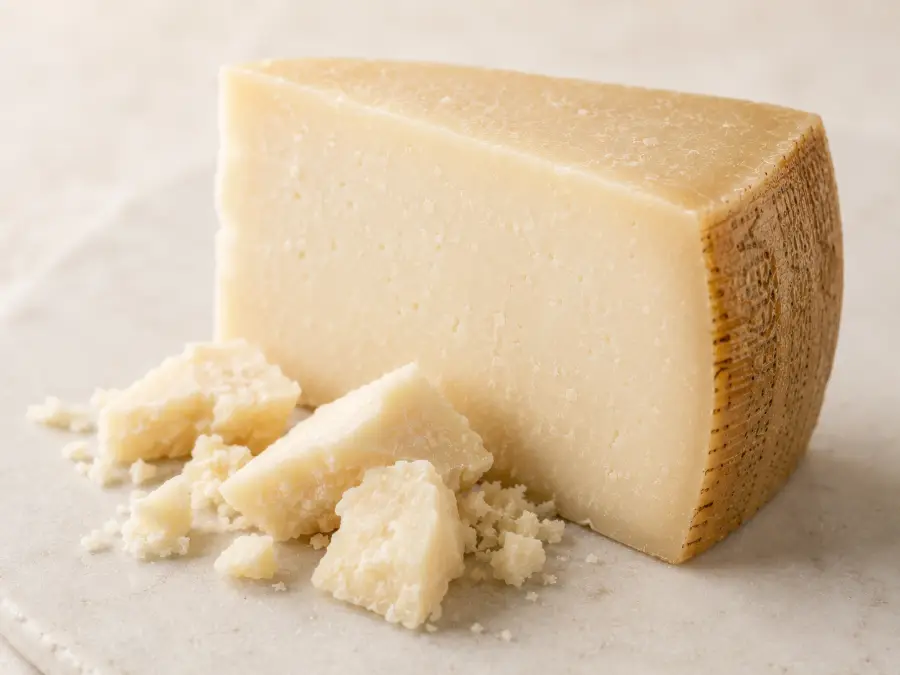
Pecorino
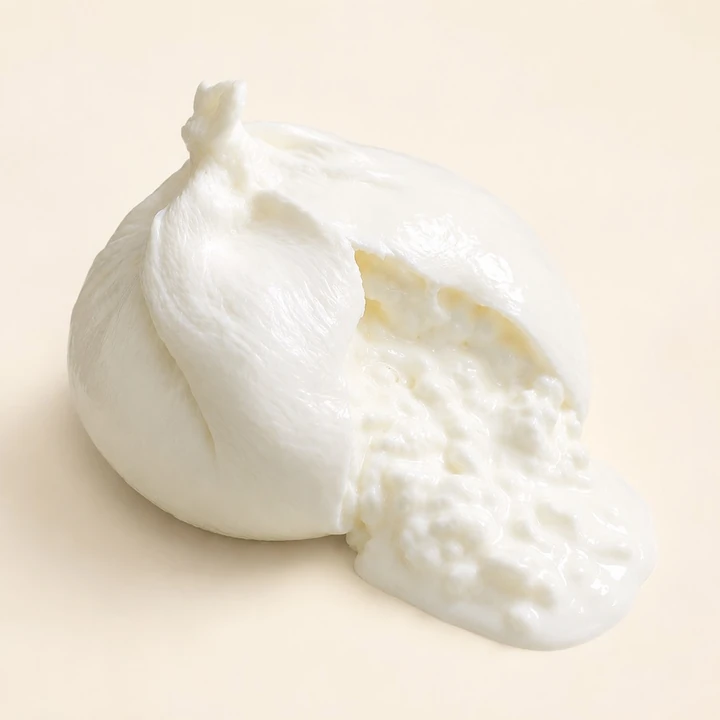
Burrata
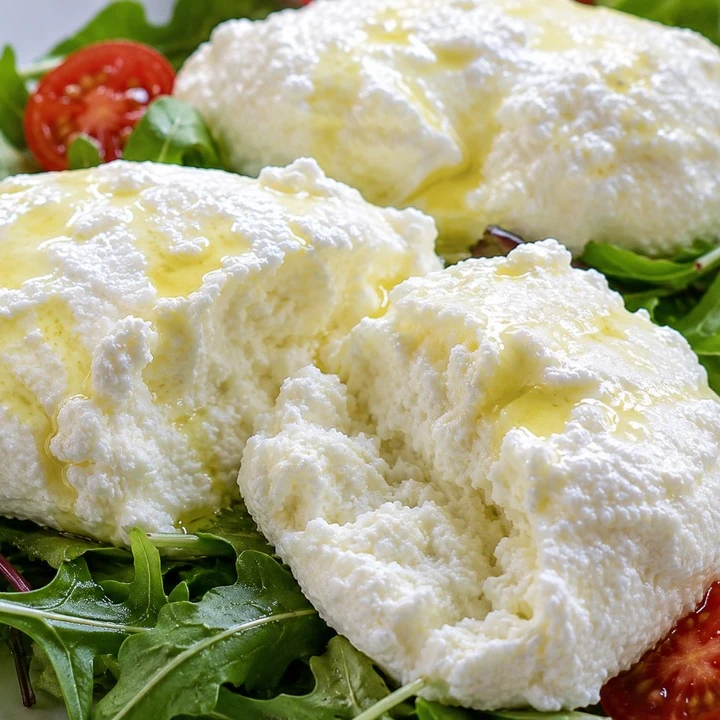
Ricotta
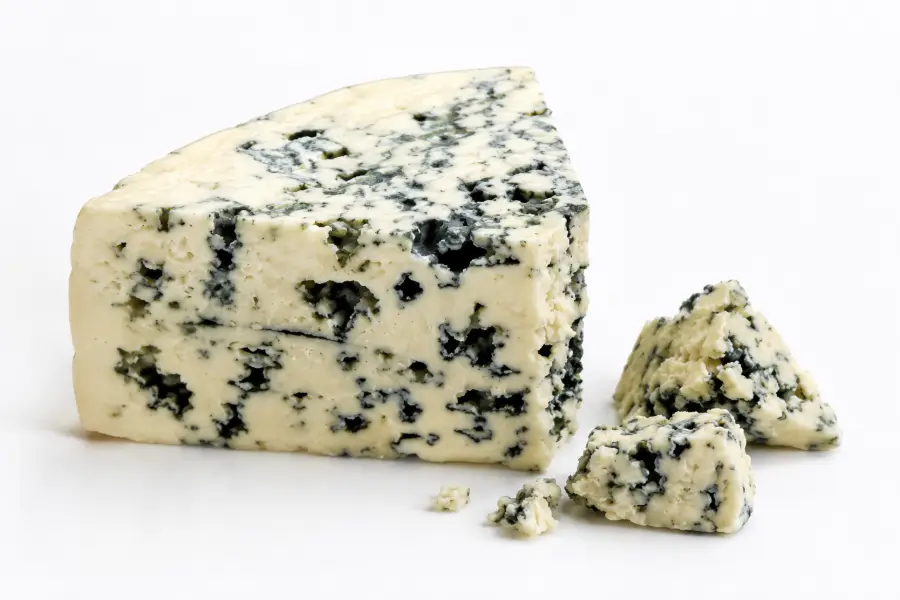
Roquefort
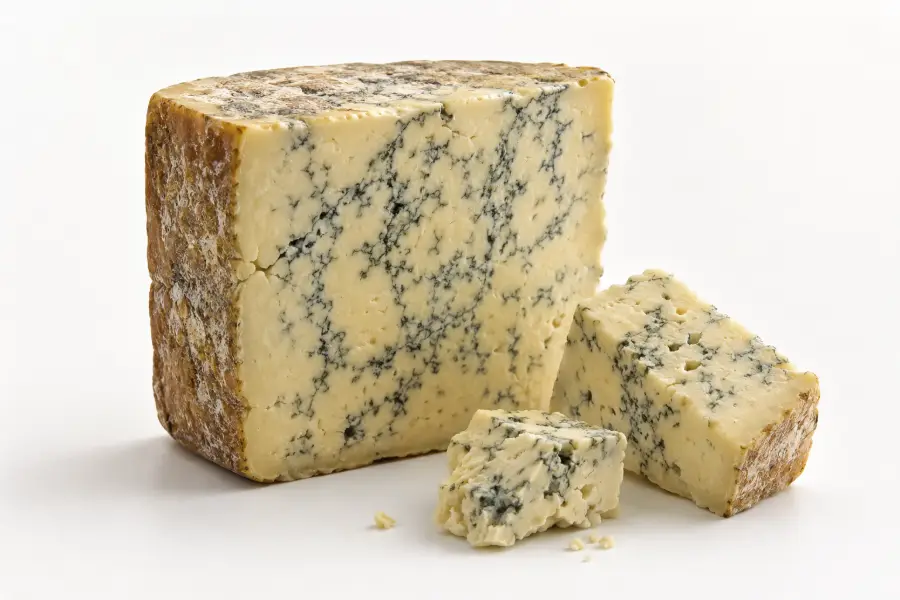
Stilton
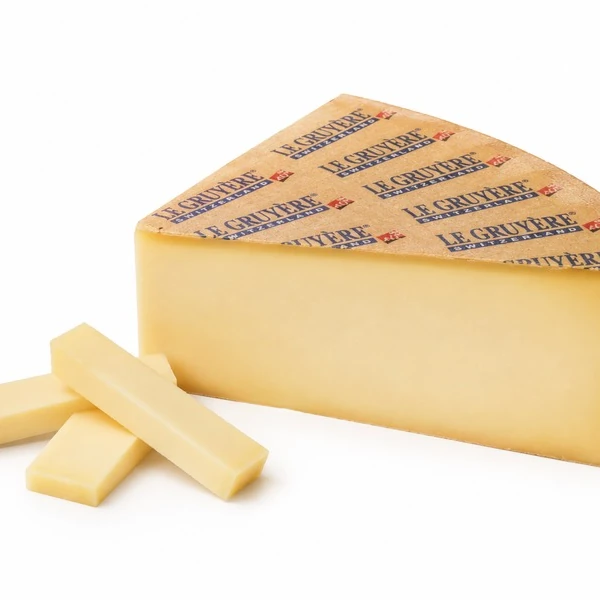
Gruyère
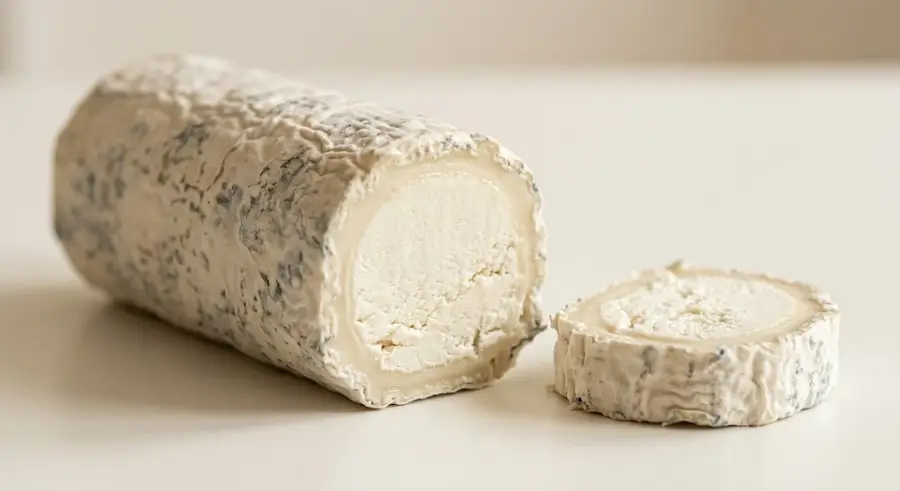
Chèvre
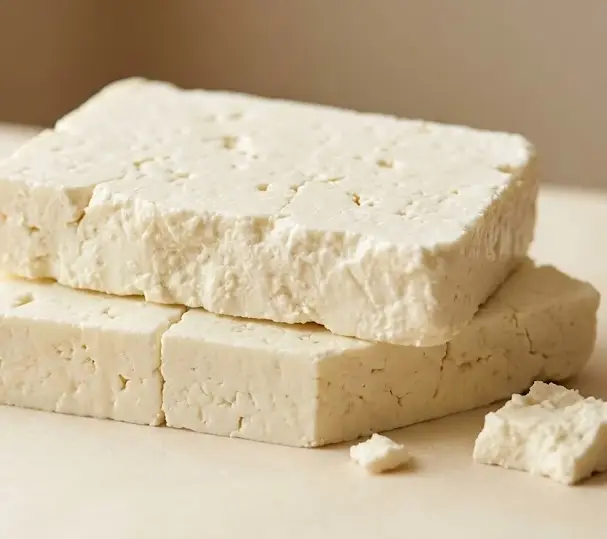
Feta
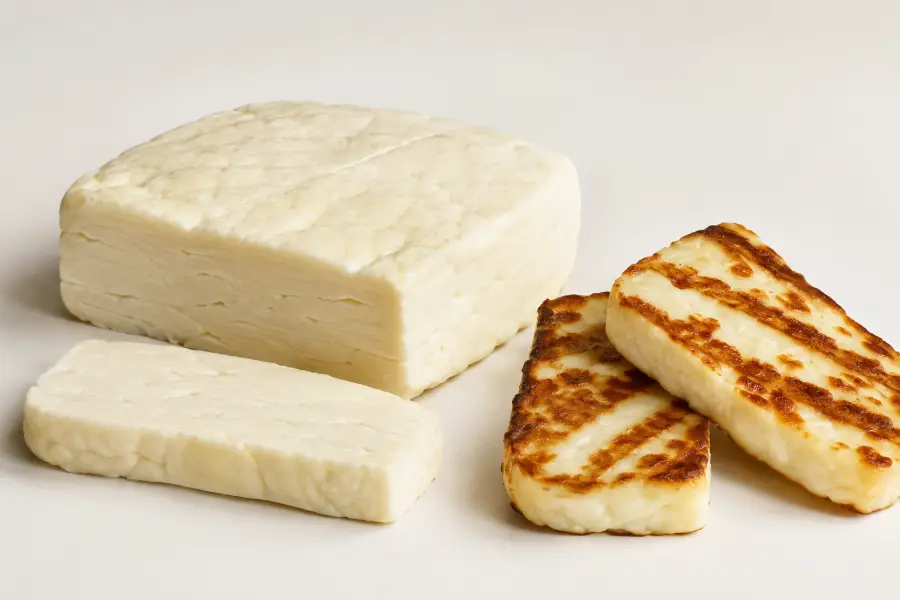
Halloumi
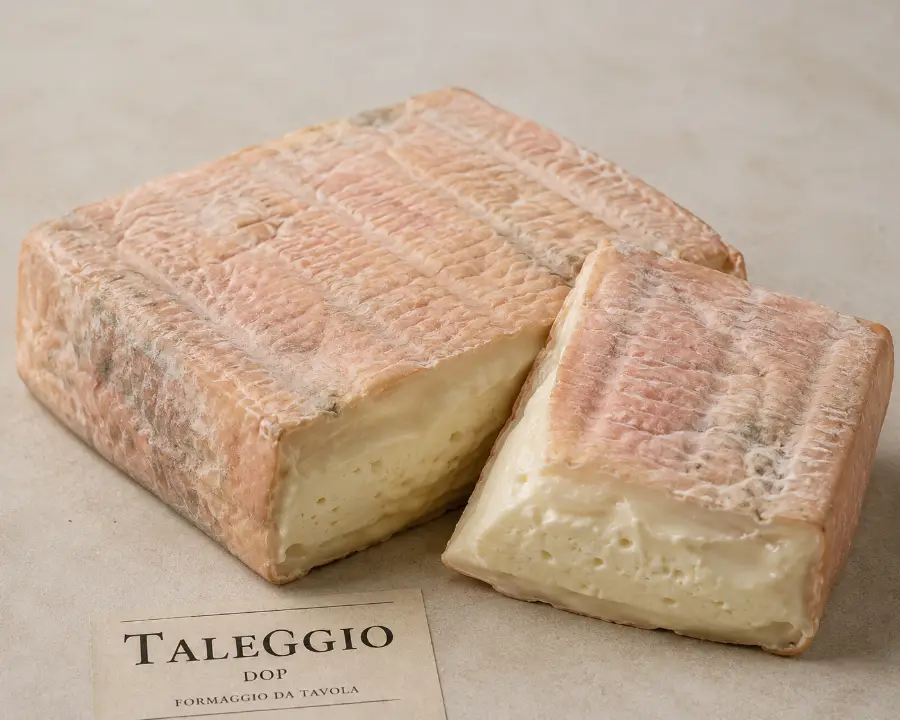
Taleggio
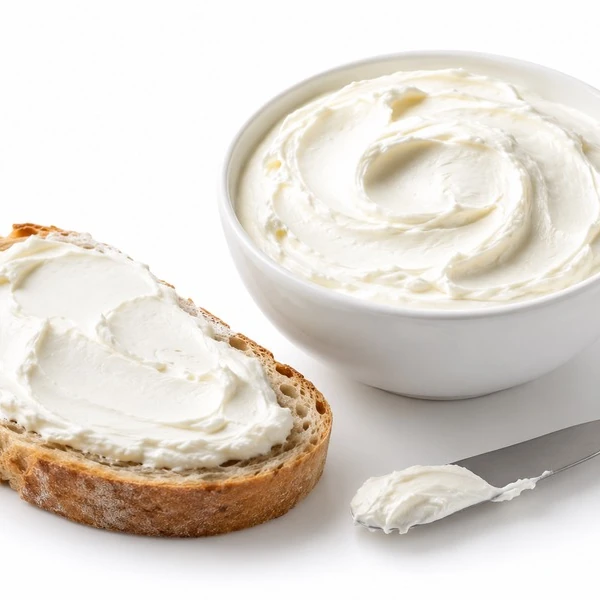
Cream cheese
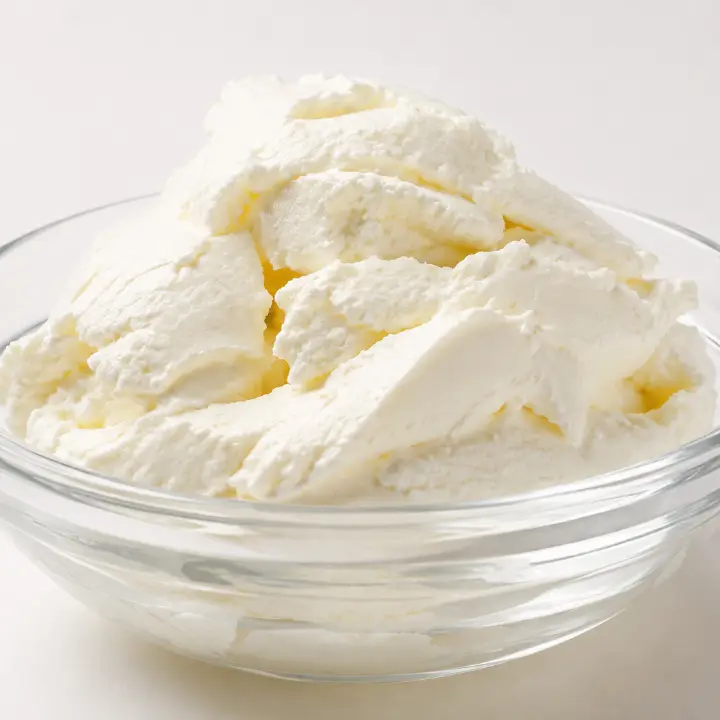
Mascarpone
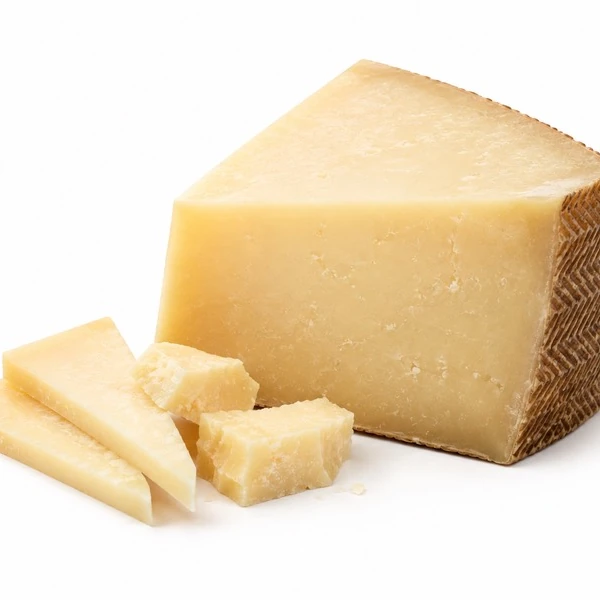
Manchego
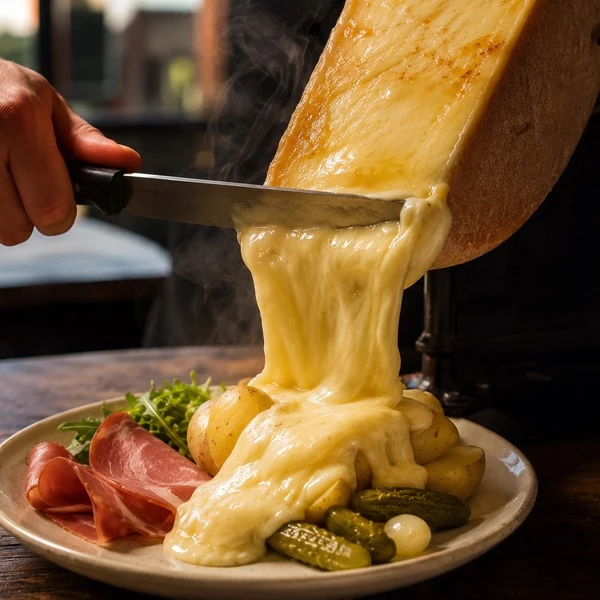
Raclette
·
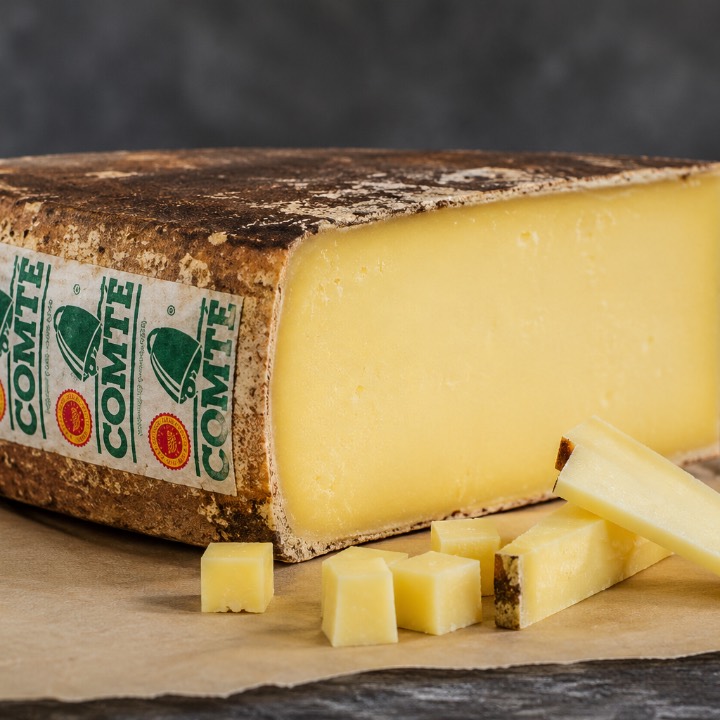
Comté
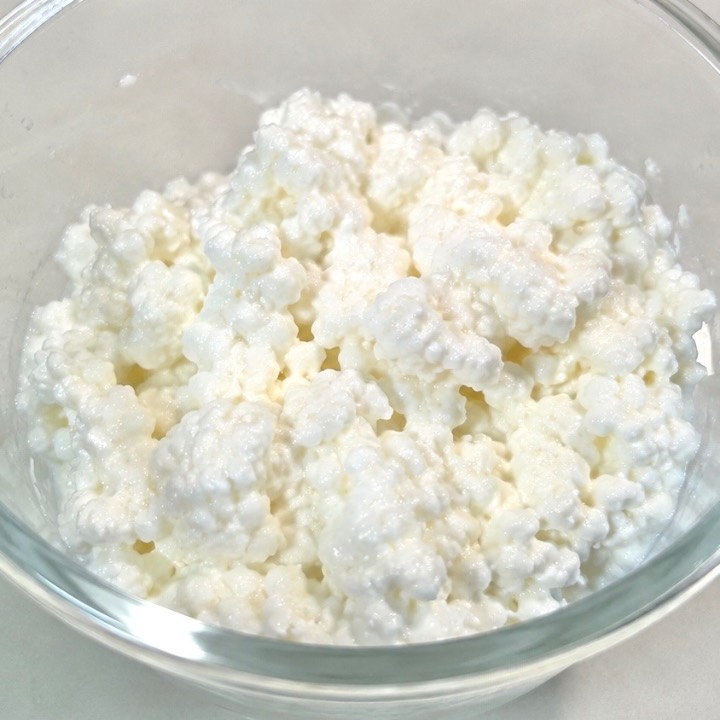
Cottage cheese
·
Reads
Most read in the past month- Choosing cheese to go with wineWhat goes with red, what goes with white — a no-fail pairing guide by wine style, plus the reason each match actually works.
- Cheese types, sorted out in one goFresh, bloomy, washed, hard, blue. The names pile up, but they come down to a handful of methods — here is each family, its character, and how the categories are actually drawn.
- Buying cheese for the first timeIf the cheese counter has ever defeated you: what to buy first, how to keep it, and answers to the worries beginners actually have.
- Putting together a cheese board at homeHow many cheeses, how much of each, how to pick without repeating yourself, and how to cut them without offending anyone.
- How much cheese for how many peopleThe instinct is to add another cheese when more people are coming. That is exactly where boards go wrong.
- Charcuterie board or cheese board?These are not two names for the same platter. The centre of gravity is different.
- Twelve questions people actually ask about cheeseWhat are the crunchy white crystals? Why is it so salty? Why does it cost that much? The questions that come up as you get to know cheese, answered — with links where a fuller article exists.
- The white stuff on your cheeseThe specks that crunch between your teeth and the white smear across the surface are two different things — and neither means the cheese has gone off. Here is how to tell them apart.
- How to read a cheese labelA few lines on the back of the pack change how well you choose. Food type, origin stamps, ageing time and what those fat percentages really mean.
- Cheeses that melt and cheeses that do notWhy some cheese stretches into ropes and some sits there unbothered by heat — the mechanism, the right cheese for each job, and how to rescue a broken sauce.
- Cheese for beer, highballs and makgeolliCheese is not only a wine thing. From beer to makgeolli, sake and whisky — how to choose it for whatever you actually drink.
- What to drink with cheese when you are not drinkingNothing about cheese requires alcohol. What clears the fat from your mouth is bubbles and acidity, and neither of those needs to come from a drink you can get drunk on.
- Storing cheese so it neither dries out nor spoilsWhy tightly wrapped cheese turns slimy, where in the fridge it should live, what to do about mould, and whether freezing is ever acceptable.
- A tour of Europe by its cheesesFrance, Italy, Switzerland, Britain, the Netherlands and the Mediterranean. Cheese names are usually place names — knowing each country's character lets you guess at a cheese you have never met.
- Cow, sheep, goat and buffalo: how the milk changes the cheeseMade the same way, different milks give different colour, aroma and richness. How to read a cheese from the animal it came from.
- Which animals give milk for cheese?Beyond cow, sheep, goat and buffalo there are other milks that become cheese. But not every milk will.
- Blue cheese for people who think they hate itIf one bad encounter put you off, the order may simply have been wrong. How to climb from mild to strong, what makes it easy, and where this cheese came from.
- Reading cheese nutrition without panickingThe per-100g figures look alarming until you notice that a serving is about 30 grams. How to read the numbers — and what the research actually says.
- If milk disagrees with you, what about cheese?A glass of milk is trouble, but is cheese? Lactose varies enormously from one cheese to the next, and long-aged cheeses have effectively none left.
- Cheese in pregnancyThere are plenty of lists of what to avoid and very few of what you can actually eat. Here is what the health authorities really say, and why the line falls where it does. This is general guidance, not medical advice for you — your clinician is the one to confirm it with.
- Can you eat the rind?Do you cut the white coat off a brie? Rinds divide into two kinds, and the line between them is simpler than it looks.
- One cheese, one plate: ten simple things to makeNo extra shopping required. Ten dishes built from one cheese and whatever is already in the kitchen, plus the habits that stop them going wrong.
- Cheeses that get mistaken for each otherCheeses that look and sound alike. What actually separates them, and which one to buy — paired up.
- Brie or camembert?Side by side they look almost identical. One mouthful says otherwise, and most of the difference comes down to how big the wheel is.
- Parmigiano or grana padano?They sit side by side and the prices are not close. Here is what makes the difference, and when that difference is worth paying for.
- Mozzarella or burrata?They look near enough identical, which makes the price gap puzzling. Cutting one open explains it immediately.
- Ricotta or cottage cheese?In tubs side by side they look much the same. They start from completely different places, though, which decides exactly where one can stand in for the other.
- Curds, curd cheese and cottage cheesePut curds, curd cheese and cottage cheese side by side and it is genuinely hard to say which is which. One word is doing three jobs: an ingredient, and two quite different cheeses.
- Gruyère, emmental or comté?Three yellow blocks side by side look interchangeable. Looking at the holes settles half the question on its own.
- How to say cheese namesA handful of rules per language and you can read any name you meet — and often guess what the cheese is like from the name alone.
- Matching bread with cheeseBread has as much flavour as cheese does. Here is what to put on what so neither one disappears — using loaves you can actually buy.
- Cheese tools: what earns its place and what does notBefore you buy a six-knife set — very few of these tools matter, but two or three of them genuinely change things.
- Cheese with childrenWhen to start, what to start with, what needs handling differently from adults, and how it changes as they grow.
- Giving cheese as a present without getting it wrongYou have to choose without knowing their taste or when they will open it. Here is how to reduce the risk.
- How cheese is madeMilk sets, water leaves, time accumulates. Understand those three stages and every term on a cheese label makes sense.
- There is an animal ingredient in cheeseMilk does not set on its own. What is used to set it turns out to be the whole story.
- Slices, string cheese and cream cheese: the supermarket aisle explainedThese are the cheeses people actually buy. What they are made of, what each is good for, and where they came from.
- Making ricotta at homeMilk, lemon juice, thirty minutes. The fastest way to understand cheesemaking with your hands rather than by reading about it.
- Babybel, Laughing Cow, Boursin: are they real cheese?A ball in red wax, a foil triangle, a white round studded with herbs. On the shelf they look like the same kind of thing. Two of them are made in opposite ways.
- Babybel: what is the cheese inside the red wax?Peeling the wax is half the fun of it. What the cheese actually is, and whether that wax is meant to be eaten, are questions most people never get answered.
- The Laughing Cow: a name born in a trenchThe foil triangle you spread on a cracker. Its name began as a joke in a First World War supply unit, and what is inside is made in a different way from most cheese.
- Boursin: the cheese a newspaper invented by mistakeA soft white cheese shot through with garlic and herbs. It sells worldwide now, but it exists because a newspaper announced a product that did not yet exist.
- Havarti vs gouda: what is the difference?Both are pale, mild and melt easily, which is why they blur together on the shelf. They resemble each other because they are made the same way — and that also fixes exactly where they part.
- Fondue and raclette at homeNo special equipment needed. How to keep the cheese from splitting, what to serve alongside, and how these two dishes came to stand for Switzerland.
- Cheese without a fridge: camping, cars and travelIt has to survive hours outside a fridge, sometimes days. How to choose for that, how long you actually have, how to keep it in a car, a hotel or on a flight, and what you can cook on site.